
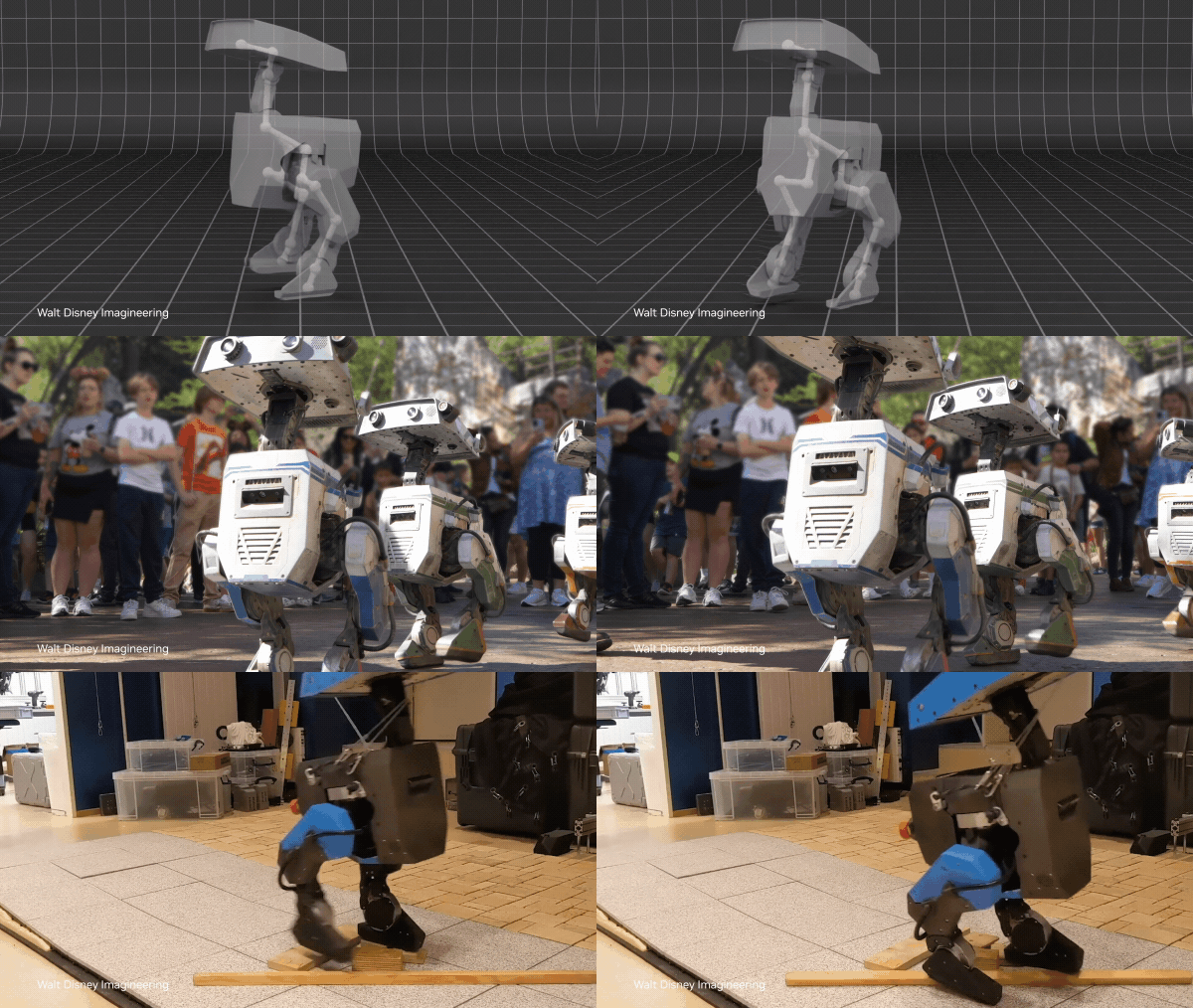
 Physical AI models enable robots to autonomously perceive, interpret, reason, and interact with the real world. Accelerated computing and simulations are key to…
Physical AI models enable robots to autonomously perceive, interpret, reason, and interact with the real world. Accelerated computing and simulations are key to developing the next generation of robotics. Physics plays a crucial role in robotic simulation, providing the foundation for accurate virtual representations of robot behavior and interactions within realistic environments.
 The next generation of AI-driven robots like humanoids and autonomous vehicles depends on high-fidelity, physics-aware training data. Without diverse and…
 Humanoid robots are designed to adapt to human workspaces, tackling repetitive or demanding tasks. However, creating general-purpose humanoid robots for…
 With the release of NVIDIA AgentIQ—an open-source library for connecting and optimizing teams of AI agents—developers, professionals, and researchers can…
 Organizations are embracing AI agents to enhance productivity and streamline operations. To maximize their impact, these agents need strong reasoning abilities…
 As agentic AI systems evolve and become essential for optimizing business processes, it is crucial for developers to update them regularly to stay aligned with…
 With the rise of physical AI, video content generation has surged exponentially. A single camera-equipped autonomous vehicle can generate more than 1 TB of…
 Enterprises are generating and storing more multimodal data than ever before, yet traditional retrieval systems remain largely text-focused. While they can…
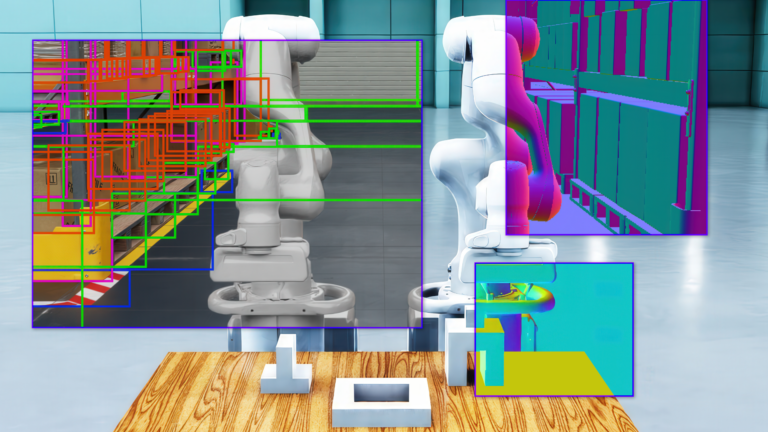 The world of robotics is undergoing a significant transformation, driven by rapid advancements in physical AI. This evolution is accelerating the time to market…